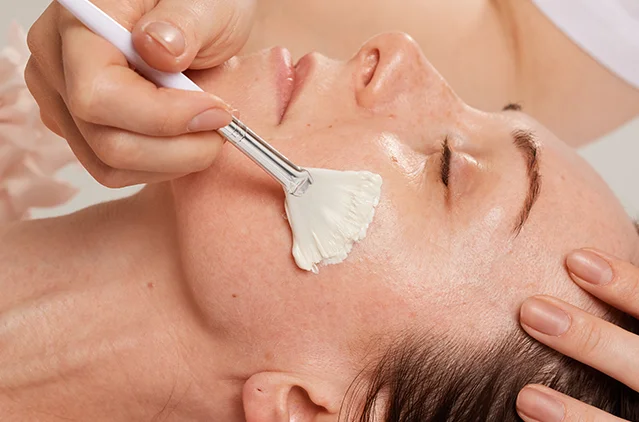
If your skin is showing stubborn dark spots, uneven tone, or acne scars, a chemical peel treatment can refresh the surface and reveal brighter, smoother skin. Done correctly by a trusted cosmetologist in Mumbai, peels are a powerful, controlled way to speed up skin renewal. This guide explains what to expect, how to prepare, and how to care for your skin after the peel.
Why choose a chemical peel?
A chemical peel uses safe acids to remove the top layers of skin and stimulate cell turnover. For pigmentation, acne marks, and surface texture issues, peels can deliver visible improvement in weeks. The key is matching the peel strength to your skin tone and the pigment type — an experienced cosmetologist in Mumbai will tailor the plan for best results and minimal risk. A personalised approach reduces the chance of post-inflammatory hyperpigmentation and ensures gradual, lasting improvement. A proper chemical peel treatment targets pigment selectively and minimises trauma when planned correctly.
Types of peels and who they suit
- Superficial peels (AHA/BHA): Low-intensity options include glycolic acid and salicylic acid. They tend to be best for skin with mild pigmentation and oily or acne-prone skin types, and little downtime.
- Medium peels (TCA, Jessner’s): Medium-depth chemical peels penetrate more than superficial peels and are typically used to treat stubborn pigment and the rough overall texture of the skin. More intensive aftercare and downtime to consider.
- Deep peels: Rarely performed in everyday cosmetic practice for clients with darker skin tones due to a higher risk of scarring/changes in pigmentation after the peel procedures.
A qualified medical aesthetician in Mumbai can help determine the appropriate depth and chemical agent for your skin type.
A quick story: why expertise matters
I consulted a colleague who treated a patient with severe melasma. After an initial stabilisation phase using topical creams and strict sun control, the cosmetologist performed a series of mild peels and combined them with maintenance topical. The patient saw steady, safe improvement — illustrating that peels are not a one-off fix but part of a careful plan.
Step-by-step: preparing for the peel
Book a consultation. Share your medical history, skincare routine, and any history of tanning or melasma.
- Skin stabilisation (2–6 weeks). Use prescribed topical agents (sunscreen, gentle retinoid or azelaic acid, and hydroquinone if advised) to reduce pigmentation risk. Only use under professional guidance.
- Stop certain products and treatments. Avoid waxing, laser, or strong acids for two weeks before the peel. Suspend topical retinoid 5–7 days’ prior unless advised otherwise.
- Arrange logistics. Plan light social schedules for the week after medium peels; superficial peels often allow you to return to routine the next day.
- Patch test if needed. For darker skin or history of sensitivity, a test spot helps predict your skin’s response.
During the procedure: what happens
At the clinic the cosmetologist will cleanse your skin, apply the chosen acid, and watch the reaction—your chemical peel treatment will be adjusted in real time to suit how your skin responds. Superficial peels sting briefly and are neutralised; medium peels may cause visible frosting. Most procedures take 20–40 minutes. Your cosmetologist will explain sensations to expect and provide immediate cooling or calming agents if needed.
Aftercare: do this for safer, better results
Sun protection – mandatory. Apply a broad-spectrum SPF 30+ daily and avoid direct sun for at least two weeks. Consider a physical sunscreen and a wide-brimmed hat when outdoors.
- Gentle cleansing and moisturising. Use mild, fragrance-free products and a barrier-repair moisturiser to speed healing.
- Avoid active ingredients. Skip retinoid, strong AHAs/BHAs, vitamin C, and physical scrubs until your cosmetologist clears you.
- Cold compresses for comfort. For the first 48 hours, cold compresses reduce swelling and discomfort.
- Do not pick or peel. Let crusts fall off naturally to prevent scarring and post-inflammatory pigmentation.
- Follow prescribed creams. Many clinics provide healing ointments or antibiotic creams—use them exactly as directed.
Maintenance and realistic expectations
Most pigmentation treatments need multiple sessions—typically 3–6 peels spaced 3–6 weeks apart—plus ongoing sun discipline. Superficial peels often require periodic maintenance every 3–6 months. For deeper issues like melasma, peels are part of a combined approach (peels plus maintenance, topical and strict UV control). Always request before-and-after photos and a realistic timeline from your cosmetologist in Mumbai.
Choosing the right clinic and provider
Look for credentials, before-and-after examples, and patient reviews. A trusted cosmetologist in Mumbai will discuss risks, show you consent forms, and provide an emergency contact. Clinics that follow strict hygiene standards and offer personalised follow-up are preferable. Ask about the exact chemical agents they use and whether they perform a patch test for darker skin types.
Risks and when to see your provider
Possible side effects include temporary redness, crusting, or increased pigmentation. Seek immediate care for signs of infection, prolonged pain, or new dark patches. If you notice unexpected pigment changes, contact your cosmetologist right away.
Conclusion
Chemical peels can be an efficient and relatively quick way to enhance pigmentation and texture when done properly by a well-trained cosmetologist in Mumbai. The difference between successful and unsuccessful results usually comes down to professional skin assessment, proper skin preparation, and disciplined aftercare. If you are thinking of a peel, have a consultation with an accredited professional who will create a safe and appropriate stepwise plan for your skin.